Can You Legally Rent Out Your Basement in Markham? A Homeowner’s Guide for 2026
A basement apartment can create additional living space and potential rental income, but not every finished basement is a legal rental unit. Here's what Markham homeowners and buyers should know before making plans.
Kay Bolesa
RE/MAX Prime Properties
For many Markham homeowners, the idea of renting out a basement is appealing.
Whether you're hoping to offset mortgage payments, create space for extended family, or purchase a property with rental potential, a basement apartment can offer valuable flexibility.
But there's one important detail that often gets overlooked: a finished basement isn't necessarily a legal basement apartment.
Before advertising a rental, renovating your home, or purchasing a property with a separate suite, it's important to understand Markham's requirements.
Here's what homeowners and buyers should know in 2026.
What Is a Legal Basement Apartment?
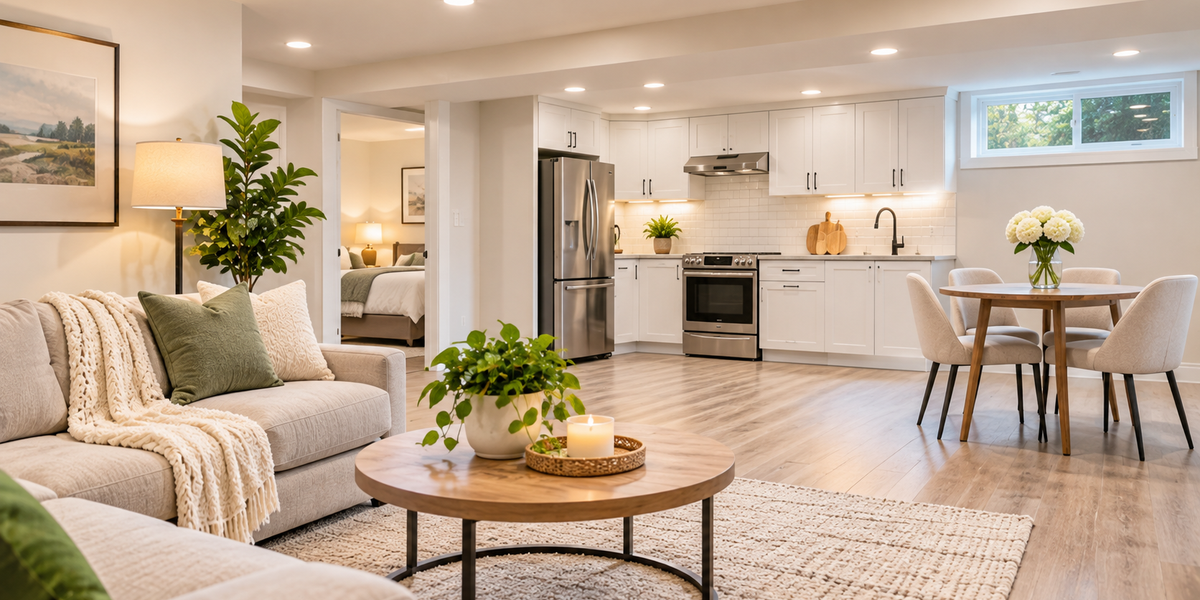
A basement apartment, often called a secondary suite or additional residential unit (ARU), is a self-contained living space within a residential property.
Typically, it includes its own:
- Kitchen and cooking facilities
- Bathroom
- Sleeping and living areas
- Safe access and emergency exits
However, having these features doesn't automatically make the apartment legal.
The property must meet applicable zoning, building, fire safety, permitting, and registration requirements.
This distinction matters whether you're purchasing a home with an existing tenant or planning to create a new rental unit.
Are Basement Apartments Allowed in Markham?
Markham's rules surrounding secondary suites have evolved as Ontario works to expand housing options.
Provincial planning legislation generally permits additional residential units on qualifying residential properties. Markham has also been working on amendments that would expand opportunities for additional units.
However, homeowners shouldn't assume that every property can accommodate any proposed rental configuration.
Requirements may vary depending on the property's zoning, building characteristics, servicing capacity, and applicable municipal regulations.
Before purchasing or renovating, confirm the current permissions for the specific address with the City of Markham.
This is especially important when a property listing advertises a basement as having "income potential."
Potential doesn't necessarily mean approved.
What Makes a Basement Apartment Legal?
Creating a compliant secondary suite involves more than installing a kitchen and bathroom.
Several important requirements must be considered.
1. Building Permits and Inspections
Markham requires building permits for constructing new secondary suites.
Depending on the project, renovations may involve changes to plumbing, electrical systems, ventilation, walls, or entrances.
A permit allows the municipality to review construction plans and inspect the work for compliance with applicable building standards.
If you're purchasing a property with an existing basement apartment, ask whether the necessary permits and final approvals are available.
2. Fire Safety Requirements
Fire safety is one of the most important considerations for any rental unit.
Requirements may address:
- Fire separation between dwelling units
- Smoke and carbon monoxide alarms
- Safe exits and emergency escape provisions
- Appropriate doors and construction materials
- Heating and ventilation systems
These measures are designed to protect everyone living in the building.
A beautifully renovated basement may still require significant improvements to meet applicable safety standards.
3. Registration With the City
Markham requires two-unit residential properties to be registered with the City.
The registration process involves municipal inspections and confirmation that applicable safety and approval requirements have been satisfied.
Homeowners should verify the property's registration status rather than relying solely on statements from a seller or previous owner.
Can You Buy a Markham Home With an Existing Basement Apartment?
Absolutely. However, purchasing a property with an existing apartment requires additional due diligence.
Imagine finding a detached home with a separate basement entrance, full kitchen, bathroom, and bedroom.
The listing describes it as an excellent opportunity to generate rental income.
Before calculating how much the basement could contribute toward your mortgage, consider a few important questions.
Is the unit legally recognized?
Request documentation confirming permits, inspections, and registration where applicable.
Are there existing tenants?
If the property is tenanted, understand the tenancy agreement and the obligations that may continue after ownership changes.
Does the apartment meet current safety requirements?
A home inspection is useful, but it doesn't replace municipal confirmation of legal status.
Will your lender recognize the rental income?
Mortgage lenders have different policies regarding rental income and qualifying requirements.
These questions can help prevent unexpected expenses after closing.
How Much Rental Income Could a Basement Generate?
Rental income depends on several factors, including location, size, condition, amenities, and current rental demand.
A well-designed unit with natural light, private laundry, and convenient access to transit may appeal to a different group of tenants than a smaller basement with shared facilities.
However, homeowners should avoid treating the advertised rent as guaranteed income.
Potential expenses include:
- Mortgage financing and insurance
- Utilities and maintenance
- Repairs and replacements
- Property taxes
- Vacancy periods
- Renovation and compliance costs
Rental income is also generally taxable, and homeowners should obtain appropriate tax advice.
A realistic financial assessment should consider both expected revenue and the costs of operating the rental.
Should You Renovate Your Basement Before Selling?
Not necessarily.
Some sellers assume that adding a kitchen or converting their basement into a separate apartment will automatically increase their property's value.
But renovation costs don't always translate into an equivalent increase in resale price.
Before beginning a major project, consider your target buyer.
Some purchasers may value a compliant rental suite, while others may prefer a finished basement for recreation, a home office, or additional family living space.
If you're planning to sell soon, it may be more practical to focus on repairs, presentation, and improvements that appeal to a broader range of buyers.
A property-specific market assessment can help determine whether a basement conversion makes financial sense.
What Should Markham Buyers Look For?
If rental potential is part of your home search, evaluate the property beyond its appearance.
Consider whether the home offers suitable access, sufficient space, appropriate ceiling heights, and a practical layout.
Also investigate the costs of bringing an existing unit into compliance or constructing a new one.
Remember that not every basement can be converted economically, even where the intended use is permitted.
The right property should work for your lifestyle and budget without depending entirely on projected rental income.
Final Thoughts
A basement apartment can offer meaningful opportunities for Markham homeowners, buyers, and investors.
But understanding the difference between a finished basement, a potentially convertible space, and a legally approved rental unit is essential.
Before making a decision, verify the property's municipal status, review the financial implications, and understand the responsibilities that come with becoming a landlord.
If you're exploring Markham properties with rental potential or wondering how an existing basement apartment could affect your home's value, a conversation about your options is a great place to start.
Have Questions?
I'm always happy to chat about the market or help you find your next home.